
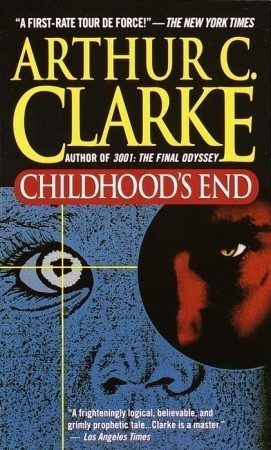
Childhood's End
by Arthur C. Clarke
A look at Childhood's End by Arthur C. Clarke, in which peaceful alien rulers end war and poverty, and humanity must face what that comfort costs.
Good for
About the book
Alien Overlords arrive above Earth's cities and, with little force, ask humanity to unify, end poverty and stop fighting. Peace and plenty follow, and the book asks what a people loses when nothing is left to struggle for, and what the Overlords want in return.
What readers keep from this book
-
A perfect world can still go stale
The novel keeps returning to boredom as the great enemy of any utopia. Once material needs are met, people want more, and when nothing is left to strive for, creative work fades. Clarke shows a world that is calm and comfortable but has stopped making anything new.
-
Endless entertainment makes people passive
A character complains that the supply of shows far outruns what anyone could watch, and that people are turning into viewers rather than makers. The book ties cultural decline to easy distraction as much as to the lack of struggle. Free time is fine, it suggests, until it slides into idleness.
-
Science can replace belief by being ignored
Clarke has his characters argue that religion fades when science simply goes on without it, not only when it is disproved. Old gods lost followers without anyone proving them false. The book treats faith and reason as forces that shape how people face the unknown.
Who it is for
This suits readers who like big-idea science fiction about where progress leads, and who enjoy asking whether comfort and meaning can coexist. It is more about ideas than about character, so readers who want close personal drama may find it distant.
If you liked this
Something wrong on this page? Write to hello@usebecoming.com and we will fix it.