
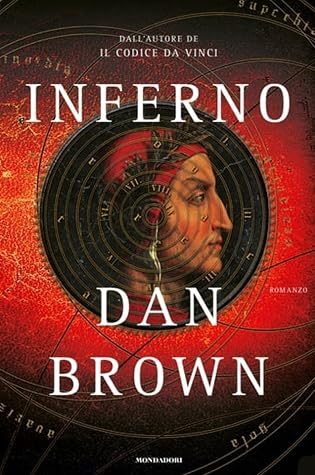
About the book
Robert Langdon, a Harvard symbologist, wakes in a hospital with no memory of how he got there. Hunted by unknown pursuers, he and a young doctor chase clues hidden in Florence's art and in Dante's poem, trying to solve a puzzle tied to a danger to the world.
What readers keep from this book
-
Denial protects us until it doesn't
The novel returns often to the way the mind shuts out frightening facts so daily life stays bearable. It also warns that something being hard to imagine does not make it unlikely. That tension drives much of the book's sense of dread.
-
Staying silent in a crisis is a choice
Langdon comes to see doing nothing as its own kind of failure when the stakes are high. The book uses Dante's grim picture of hell to argue that neutrality offers no safe ground. Action, even when uncertain, is treated as the moral duty.
-
A strong mind can build or destroy
The story keeps showing how a brilliant person with a fixed purpose can do great good or great harm. It links that power to loneliness, being misunderstood, and a mind that grows cut off from feeling. Population growth and fear of what comes next are given as the pressures behind such a purpose.
Who it is for
Readers who enjoy fast puzzle thrillers set among famous art and old buildings, and who like a plot that raises big questions about fear and responsibility. Those who want slow, quiet character study may find the chase too relentless.
Tap the headphones and the review plays, turning to the next card on its own.
Every morning
Keep Inferno with you, two minutes a day
Most highlights get saved once and never seen again. Becoming brings yours back in a short Daily Review, spaced so they stick. Press Listen and a host greets you by name, reads each one and adds a line on the idea.
Already read it? Bring what you marked from
- Kindle
- Apple Books
- Kobo
- Google Play Books
- Goodreads
- Readwise
- Photos of pages
If you liked this
Something wrong on this page? Write to hello@usebecoming.com and we will fix it.