
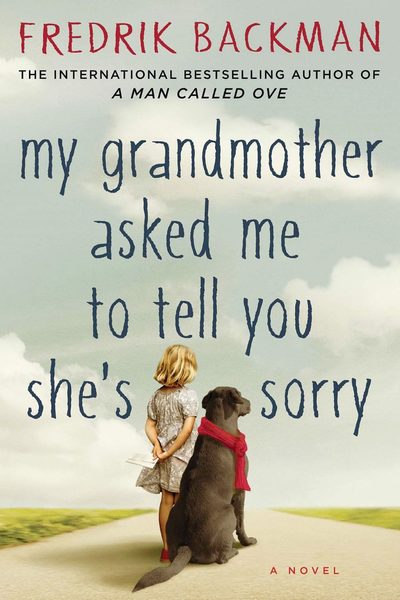
My Grandmother Asked Me to Tell You She's Sorry
by Fredrik Backman
A seven-year-old follows her late grandmother's letters of apology through an apartment building, learning about grief, family and the right to be different.
Good for
About the book
Elsa is seven and her eccentric grandmother is her only friend. When her grandmother dies and leaves letters of apology for people she wronged, Elsa sets out to deliver them and finds out who her grandmother really was.
What readers keep from this book
-
Being different is a strength
Elsa's grandmother tells her that those who stand out are the ones who change things. If enough people are different, no one has to try to be normal, so Elsa is told to keep her oddness rather than hide it.
-
Grief gets carried, not cured
The book says sorrow does not fade with time. People cope by packing it away somewhere so they can keep living. It also warns that the worst thing about death is when it makes those left behind want to stop living too.
-
No one is all good or all bad
People who have hurt you can still be worth keeping, and the grandmother's view is that almost everyone sits somewhere in between. The task is to stay on the good side as much as you can. Some people who seem like monsters are simply people built from sorrow, and hating them risks turning you into one.
Who it is for
Readers who like warm, funny fiction with a sad center, especially stories about family, loss and unlikely neighbors. It suits anyone thinking about a person they have lost. Readers who dislike whimsy or fairy-tale framing around heavy subjects may want to pass.
If you liked this

Something wrong on this page? Write to hello@usebecoming.com and we will fix it.