
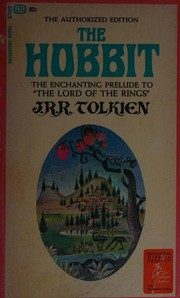
The Hobbit
by J.R.R. Tolkien
A comfort-loving hobbit is pulled into a dwarves' plan to take treasure from a dragon, and finds he has more nerve than he thought.
Good for
About the book
Bilbo Baggins is a hobbit who likes his quiet home and has no interest in travel. When the wizard Gandalf and a band of dwarves turn up, he reluctantly joins their plan to take a dragon's treasure from the Lonely Mountain. Along the way he comes across a magic ring and a creature called Gollum.
What readers keep from this book
-
Comfort is good, but it can shrink you
The book opens by making Bilbo's snug home sound very appealing, then shows a restless streak in him that the house never used up. Tolkien treats the pull toward mountains and open roads as part of who Bilbo is, not a betrayal of his happy life.
-
Courage often comes from having no choice
Bilbo does not charge ahead out of bravery. In a dark tunnel he reasons that going back and going sideways are both impossible, so he goes forward. The book suggests that nerve is often just the next step taken when nothing else is open.
-
Treasure matters less than a good table
The story keeps setting gold and hoarding against food, song and good company. A dragon sits on a pile of wealth he cannot use, and a wise voice near the end says the world would be merrier if more people valued cheer over treasure. The book never lectures, but it clearly takes a side.
Who it is for
This suits readers who want an adventure with humor, riddles and a gentle narrator, and anyone who feels both attached to a comfortable routine and curious about leaving it. It also works as a first step into Tolkien's world. Readers who want fast action or dark, complex fantasy may find it light and old-fashioned.
If you liked this
Something wrong on this page? Write to hello@usebecoming.com and we will fix it.