
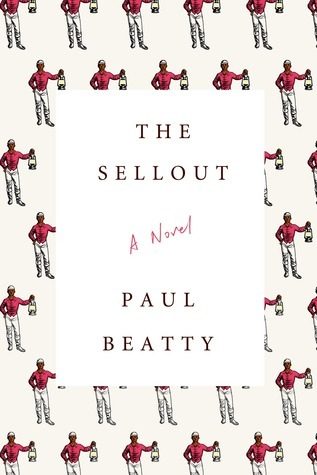
The Sellout
by Paul Beatty
A satirical novel about a man from a erased Los Angeles town who is tried before the Supreme Court after he brings back segregation and slavery on purpose.
Good for
About the book
The narrator grows up in Dickens, a poor town outside Los Angeles that has been taken off the map, raised by a father who treated him as a research subject. After his father dies, he takes a deliberately outrageous step to put the town back on the map, and it lands him in front of the nation's highest court.
What readers keep from this book
-
History lives in memory, not in books
The narrator argues that history is not a closed volume you can finish and set aside. It is what people carry with them: feelings, songs, and the passing of time. That is why the past keeps shaping people long after it is supposedly over.
-
Closure can be a way of erasing
The narrator's father rejects closure as a comforting idea that therapists sell to the guilty. People who have been wronged, he says, want distance, justice, or revenge. Things we mistake for closure, he says, often just wipe the problem away.
-
Guilty or innocent may be the wrong choices
Standing before the court, the narrator wonders why only two verdicts exist. His answer is to plead that he is simply human. The book uses the moment to question whether a legal label can ever capture a person caught in an unjust system.
Who it is for
Readers who enjoy sharp, dark comedy and are willing to be made uncomfortable by jokes about race, politics, and national myths. It suits people who like novels that argue as much as they tell a story. Readers who want a gentle or straightforward plot, or who dislike crude language, should pass.
If you liked this
Something wrong on this page? Write to hello@usebecoming.com and we will fix it.