
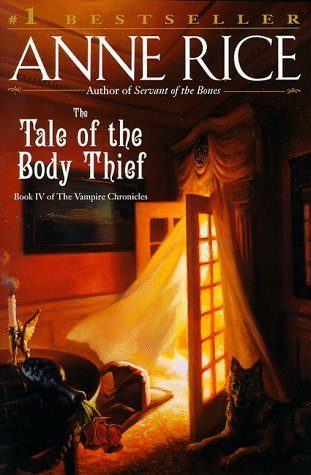
The Tale of the Body Thief
by Anne Rice
A look at Anne Rice's The Tale of the Body Thief, in which a lonely Lestat takes on a risky venture, and at the ideas about conscience, mortality and meaning readers keep.
Good for
About the book
This is the Vampire Chronicles novel in which Lestat, long a admired figure among the undead, finds himself alone and haunted by doubt. Trying to shake off that loneliness, he sets out on the most dangerous undertaking of his long life.
What readers keep from this book
-
We build meaning to survive chaos
The book returns to the image of people reaching into a chaotic world and holding onto some small bright thing. They tell themselves it matters and that things will end well. Meaning here is something chosen and defended, not handed down.
-
Conscience does not fade with time
Lestat insists he knows right from wrong and owns what he does. He jokes that a conscience is a slow, miserable way to suffer when you cannot die. Guilt becomes lasting, with no one left to grant forgiveness.
-
Mortal life looks different from outside
Passages weigh how ordinary human life feels, with its struggles, fear and small worries, against how it looks to someone who has left it behind. The dead think the living miss how heavy being alive is. Even a shared meal or sunset can't close the gap between two kinds of being.
Who it is for
Readers who enjoy ornate, brooding first-person narration and big questions about guilt, loneliness and what makes a life worth living. It suits fans of gothic fiction who like a flawed, vain narrator. Readers wanting a plain, fast plot or no interest in the earlier Chronicles may find it heavy going.
If you liked this


Something wrong on this page? Write to hello@usebecoming.com and we will fix it.